

Best Spiritual Destinations in India: A Journey to Peace, Faith and Inner Happiness
India is a land where spirituality is deeply connected with everyday life. From the sacred ghats of Varanasi and the peaceful atmosphere of Rishikesh to the divine temples of South India and the holy Himalayan shrines, the country offers countless opportunities to discover faith, culture, and inner peace.
.jpeg)
Whether you want to seek blessings at ancient temples, meditate beside a sacred river, participate in traditional rituals, or simply take a break from your busy lifestyle, India's spiritual destinations offer experiences that go far beyond ordinary sightseeing.
For travellers looking for meaningful holidays, spiritual tourism provides an opportunity to reconnect with themselves while exploring India's rich cultural and religious heritage.
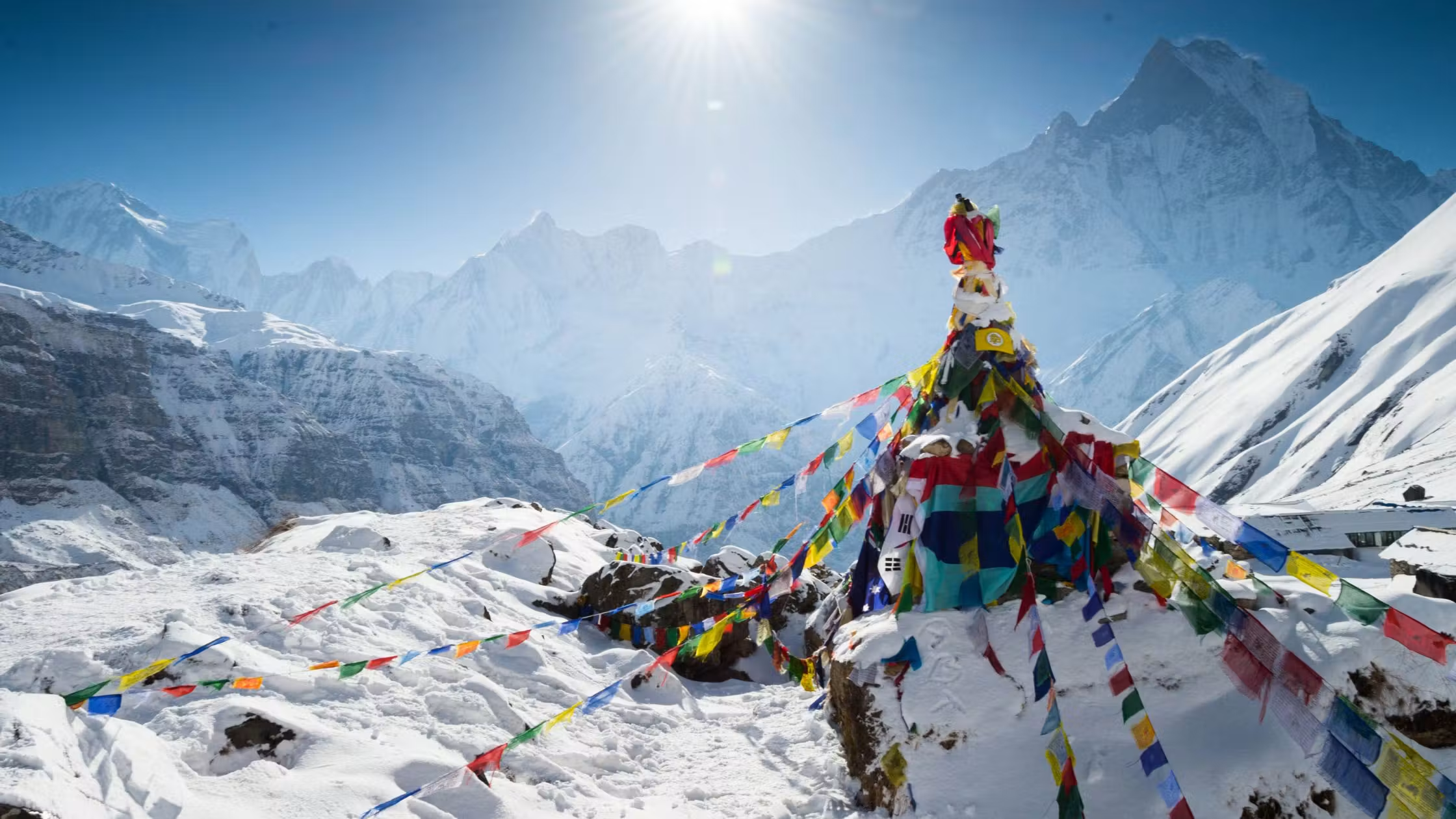
Nepal Travel Guide: Best Places to Visit, Things to Do, Best Time to Visit & Travel Tips
Explore the best places to visit in Nepal, including Kathmandu, Pokhara, Nagarkot and Chitwan. Discover attractions, activities, itineraries and the best time to visit.
In this guide, Voyatrix Leisure brings you the best spiritual destinations in India to help you plan your next peaceful and memorable journey.
.jpeg)
1. Varanasi, Uttar Pradesh – Experience the Spiritual Heart of India
Varanasi, also known as Kashi or Banaras, is one of the world's oldest continuously inhabited cities and one of Hinduism's most sacred destinations. Situated along the banks of the River Ganga, the city attracts pilgrims and travellers seeking spiritual experiences, ancient traditions, and cultural discovery.
The atmosphere of Varanasi becomes particularly memorable during the evening Ganga Aarti, when priests perform traditional rituals beside the river.
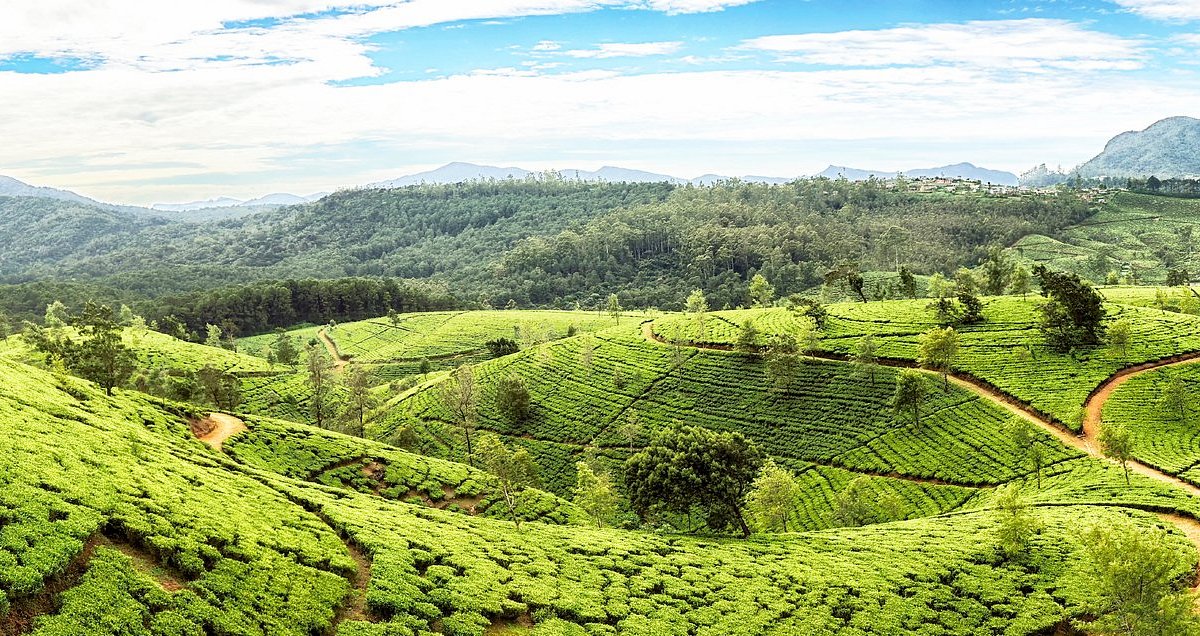
Sri Lanka Travel Guide: Best Places to Visit, Things to Do, Best Time to Travel & Holiday Tips
Explore the best places to visit in Sri Lanka, including Ella, Sigiriya, Kandy, Mirissa and Yala. Discover attractions, travel tips, itineraries and the best time to visit.
Top spiritual attractions in Varanasi:
Kashi Vishwanath Temple: One of the most revered temples dedicated to Lord Shiva.
Dashashwamedh Ghat: Famous for its grand evening Ganga Aarti.

Best Places to Visit in Switzerland: Top Attractions, Things to Do & Travel Guide
Discover the best places to visit in Switzerland, including Lucerne, Interlaken, Zermatt and Jungfraujoch. Explore attractions, itineraries, travel tips and the best time to visit.
Read MoreAssi Ghat: A popular place for peaceful riverside walks and morning rituals.
Sarnath: An important Buddhist pilgrimage site where Gautama Buddha delivered his first sermon.
Best time to visit: October to March.
Ideal for: Spiritual seekers, families, senior travellers, and cultural explorers.
Varanasi is an excellent destination for travellers who want to experience India's ancient traditions, sacred architecture, and vibrant religious culture in one journey.
2. Rishikesh, Uttarakhand – The Yoga Capital of the World
Surrounded by the Himalayan foothills and located along the River Ganga, Rishikesh is famous for yoga, meditation, spiritual retreats, and ashrams. The destination attracts visitors from around the world who wish to improve their well-being and experience a more peaceful way of life.
Beyond spirituality, Rishikesh also offers beautiful river views, forested hills, and opportunities for outdoor adventures.
Top places to visit in Rishikesh:
Triveni Ghat: A sacred riverside location known for its evening Ganga Aarti.
Parmarth Niketan: A renowned ashram offering spiritual activities and yoga programmes.
Ram Jhula: A well-known suspension bridge connecting important riverside areas.
Neelkanth Mahadev Temple: A revered Shiva temple located in the surrounding hills.
Best time to visit: February to April and September to November.
Ideal for: Yoga enthusiasts, solo travellers, couples, and wellness seekers.
Rishikesh is a wonderful choice for those looking to combine spiritual exploration with meditation, yoga, and peaceful surroundings.
3. Haridwar, Uttarakhand – Seek Blessings on the Banks of the Ganga
Haridwar is one of India's most significant Hindu pilgrimage destinations. Located where the River Ganga emerges from the Himalayan region into the plains, the city is known for its temples, sacred bathing ghats, and religious festivals.
The evening Ganga Aarti at Har Ki Pauri is among the city's most memorable experiences, drawing pilgrims and visitors throughout the year.
Top spiritual attractions in Haridwar:
Har Ki Pauri: The city's most famous ghat for religious rituals and Ganga Aarti.
Mansa Devi Temple: A hilltop temple accessible by a ropeway or walking route.
Chandi Devi Temple: A revered temple located on the Neel Parvat hill.
Daksha Mahadev Temple: A temple associated with Hindu mythology.
Best time to visit: October to March, although festival periods can be especially busy.
Ideal for: Families, pilgrims, senior citizens, and religious travellers.
Haridwar offers an accessible spiritual getaway for visitors seeking traditional rituals, temple visits, and a connection with the sacred River Ganga.
4. Ayodhya, Uttar Pradesh – Explore the Sacred City of Lord Rama
Ayodhya holds an important place in Hindu tradition as the birthplace of Lord Rama. Situated on the banks of the River Saryu, the city has become a major pilgrimage destination for devotees visiting its temples, ghats, and religious landmarks.
The city's spiritual atmosphere is particularly vibrant during festivals such as Ram Navami and Diwali.
Top places to visit in Ayodhya:
Shri Ram Janmabhoomi Mandir: A major pilgrimage destination associated with Lord Rama.
Hanuman Garhi: A well-known temple dedicated to Lord Hanuman.
Kanak Bhawan: A historic temple dedicated to Lord Rama and Goddess Sita.
Ram Ki Paidi: A series of ghats along the Saryu River.
Nageshwarnath Temple: An important temple with a strong connection to local religious traditions.
Best time to visit: October to March.
Ideal for: Families, devotees, cultural travellers, and religious tour groups.
Ayodhya is an excellent destination for visitors interested in the Ramayana, traditional Hindu worship, and India's evolving pilgrimage landscape.
5. Mathura and Vrindavan, Uttar Pradesh – Follow the Path of Lord Krishna
Mathura and Vrindavan are among the most important destinations associated with Lord Krishna. Mathura is traditionally regarded as his birthplace, while Vrindavan is closely connected with stories of his childhood and divine pastimes.
The towns are known for their temples, devotional music, colourful festivals, and lively spiritual atmosphere.
Top attractions in Mathura and Vrindavan:
Shri Krishna Janmabhoomi Temple: A major pilgrimage site in Mathura.
Banke Bihari Temple: One of Vrindavan's most famous Krishna temples.
Prem Mandir: Known for its intricate architecture and illuminated evening appearance.
ISKCON Vrindavan: A popular centre for Krishna devotion and spiritual gatherings.
Vishram Ghat: A sacred ghat on the River Yamuna in Mathura.
Best time to visit: October to March. Holi and Janmashtami are especially popular festival periods.
Ideal for: Families, devotees, couples, and cultural explorers.
A visit to Mathura and Vrindavan offers a beautiful opportunity to experience devotional traditions, temple architecture, and the spiritual heritage of Braj.
6. Amritsar, Punjab – Discover Peace at the Golden Temple
Amritsar is home to the Golden Temple, also known as Sri Harmandir Sahib, the holiest shrine of Sikhism. The temple is renowned for its golden architecture, sacred pool, peaceful atmosphere, and the Sikh tradition of welcoming visitors from all backgrounds.
One of the most meaningful experiences here is participating in the community kitchen, or langar, where free meals are served to visitors regardless of religion, background, or social status.
Top attractions in Amritsar:
Golden Temple: The city's most important spiritual landmark.
Akal Takht: A significant institution in Sikhism located within the Golden Temple complex.
Durgiana Temple: A prominent Hindu temple with architecture reminiscent of the Golden Temple.
Gobindgarh Fort: A historic attraction that adds cultural depth to the trip.
Best time to visit: October to March.
Ideal for: Families, spiritual travellers, history enthusiasts, and cultural tourists.
Visitors should cover their heads, remove their shoes, and follow the temple's rules and customs. The Golden Temple offers a moving experience of devotion, humility, equality, and community service.
7. Kedarnath, Uttarakhand – Seek Divine Blessings in the Himalayas
Kedarnath is one of the most revered pilgrimage sites dedicated to Lord Shiva and forms part of the Char Dham Yatra in Uttarakhand. Located in the Garhwal Himalayas, the temple stands amid a dramatic landscape of towering mountains and rugged terrain.
Reaching Kedarnath involves a trek from Gaurikund or the use of officially permitted alternative transport arrangements when available. The journey is physically demanding and requires careful preparation.
Highlights of a Kedarnath pilgrimage:
Visit the sacred Kedarnath Temple.
Experience the extraordinary scenery of the Himalayan mountains.
Explore the spiritual significance of the Char Dham pilgrimage.
Enjoy the peaceful atmosphere of the surrounding mountain landscape.
Best time to visit: Generally May to June and September to October, depending on the official temple opening schedule and weather conditions.
Ideal for: Devotees, experienced trekkers, and adventure-minded pilgrims.
Because Kedarnath is a high-altitude destination, travellers should check official registration requirements, weather alerts, accommodation availability, and health precautions before departure.
8. Badrinath, Uttarakhand – Visit the Sacred Abode of Lord Vishnu
Badrinath is one of the four principal destinations of the Char Dham pilgrimage and is dedicated to Lord Vishnu. Located along the Alaknanda River, the town is surrounded by impressive Himalayan scenery and is an important centre of Hindu worship.
Pilgrims visit Badrinath Temple to offer prayers and experience the spiritual significance of this ancient pilgrimage route.
Top experiences in Badrinath:
Visit Badrinath Temple.
See Tapt Kund, a natural hot-water spring near the temple area.
Explore Mana village, subject to local access and conditions.
Enjoy the beautiful landscapes of the surrounding Himalayas.
Best time to visit: Generally May to June and September to October, subject to the official temple schedule and weather.
Ideal for: Pilgrims, families, and travellers exploring Uttarakhand's sacred destinations.
The journey requires planning because of changing mountain weather, road conditions, and seasonal closures.
9. Vaishno Devi, Jammu and Kashmir – A Sacred Journey to the Holy Shrine
The Shri Mata Vaishno Devi shrine, located in the Trikuta Hills near Katra, is one of India's most visited Hindu pilgrimage destinations. Devotees undertake a mountain journey to seek blessings from Mata Vaishno Devi.
The pilgrimage is as much about devotion and perseverance as it is about reaching the shrine.
Important places and experiences:
Mata Vaishno Devi Bhawan: The main pilgrimage shrine.
Ardhkuwari: An important stop along the traditional pilgrimage route.
Bhairon Temple: Another significant religious site in the area.
Katra: The principal base town for accommodation and pilgrimage arrangements.
Best time to visit: March to June and September to November, although the shrine receives pilgrims throughout the year.
Ideal for: Families, devotees, senior travellers who can manage the journey, and religious groups.
Register through official channels, check the current route arrangements, and choose walking or authorised transport options according to your physical ability.
10. Tirupati, Andhra Pradesh – Visit the Famous Balaji Temple
Tirupati is one of India's most important pilgrimage destinations, attracting millions of devotees to the Sri Venkateswara Temple at Tirumala. The temple is dedicated to Lord Venkateswara, a form of Lord Vishnu, and is renowned for its religious traditions and grand setting in the Tirumala Hills.
Top experiences in Tirupati:
Visit Sri Venkateswara Temple at Tirumala.
Explore Sri Padmavathi Ammavari Temple in Tiruchanur.
Visit Govindaraja Swamy Temple in Tirupati.
Experience the spiritual traditions and local food of the region.
Best time to visit: September to February is often comfortable for travel, though the destination welcomes pilgrims year-round.
Ideal for: Families, devotees, and religious tour groups.
Book darshan through official channels wherever advance reservations are available. Festival dates and school holidays can bring large crowds, so advance planning is recommended.
11. Bodh Gaya, Bihar – Find Peace at the Place of Buddha's Enlightenment
Bodh Gaya is one of the most significant Buddhist pilgrimage destinations in the world. It is traditionally recognised as the place where Gautama Buddha attained enlightenment beneath the Bodhi Tree.
The destination attracts Buddhist pilgrims, meditation practitioners, students, and international visitors interested in the teachings of Buddhism.
Top attractions in Bodh Gaya:
Mahabodhi Temple: A UNESCO World Heritage Site associated with Buddha's enlightenment.
Bodhi Tree: A deeply revered spiritual landmark within the temple complex.
Great Buddha Statue: A prominent statue in the town.
International monasteries: Monasteries representing different Buddhist traditions.
Best time to visit: October to March.
Ideal for: Meditation enthusiasts, international travellers, students, and spiritual seekers.
Bodh Gaya is especially suitable for those looking for a quieter, reflective journey centred on mindfulness, compassion, and Buddhist philosophy.
12. Shirdi, Maharashtra – Experience the Teachings of Sai Baba
Shirdi is a major pilgrimage town associated with Sai Baba, whose teachings emphasised faith, patience, compassion, and service. Devotees from across India visit the Sai Baba temple complex throughout the year.
The destination is well connected by road and rail, making it a practical option for a short spiritual trip.
Top places to visit in Shirdi:
Shri Sai Baba Samadhi Mandir: The central pilgrimage site.
Dwarkamai: A sacred site associated with Sai Baba's life.
Chavadi: An important landmark in Sai Baba's history.
Gurusthan: A revered location connected with his early spiritual presence.
Best time to visit: October to March, although Shirdi can be visited year-round.
Ideal for: Families, senior travellers, devotees, and short-break holidaymakers.
Check temple timings, accommodation, and darshan arrangements before travelling, especially during major religious festivals.
13. Somnath, Gujarat – Visit One of the Twelve Jyotirlingas
Somnath is an important Hindu pilgrimage destination on Gujarat's Arabian Sea coast. The Somnath Temple is traditionally counted among the twelve Jyotirlingas dedicated to Lord Shiva and is known for its religious significance and coastal setting.
Top attractions in Somnath:
Somnath Temple: The main pilgrimage landmark.
Triveni Sangam: A sacred confluence associated with local religious traditions.
Bhalka Tirth: A site connected with the traditional accounts of Lord Krishna's departure from the earthly world.
Somnath seafront: A scenic area for coastal views near the temple.
Best time to visit: October to March.
Ideal for: Pilgrims, families, heritage enthusiasts, and coastal travellers.
Somnath can be combined with Dwarka and other destinations in Gujarat for a longer spiritual holiday.
14. Dwarka, Gujarat – Explore the Sacred City of Lord Krishna
Dwarka is one of Hinduism's most important pilgrimage destinations and is traditionally associated with the kingdom of Lord Krishna. It is also one of the four principal Char Dham destinations.
The city offers a blend of temple visits, coastal scenery, and religious heritage.
Top places to visit in Dwarka:
Dwarkadhish Temple: The city's most famous Krishna temple.
Nageshwar Jyotirlinga: An important Shiva pilgrimage destination near Dwarka.
Rukmini Devi Temple: A historic temple dedicated to Goddess Rukmini.
Bet Dwarka: An island pilgrimage destination accessible according to current transport arrangements.
Gomti Ghat: A sacred riverside area near Dwarkadhish Temple.
Best time to visit: October to March.
Ideal for: Devotees, families, cultural travellers, and religious tour groups.
Dwarka is a particularly good choice for travellers planning a multi-day pilgrimage through Gujarat.
15. Puri, Odisha – Experience the Spiritual Heritage of Jagannath
Puri is one of India's most important Hindu pilgrimage destinations and is renowned for the Jagannath Temple, dedicated to Lord Jagannath, a form of Lord Vishnu. The city is also famous for its beaches, traditional cuisine, and the annual Rath Yatra festival.
Top attractions in Puri:
Shri Jagannath Temple: The city's principal pilgrimage landmark.
Puri Beach: A popular coastal destination for walks and sunrise views.
Gundicha Temple: An important site associated with the Rath Yatra.
Konark Sun Temple: A UNESCO World Heritage Site located within travelling distance of Puri.
Best time to visit: October to February for generally comfortable sightseeing. Rath Yatra dates vary each year and attract exceptionally large crowds.
Ideal for: Pilgrims, families, cultural travellers, and heritage enthusiasts.
Please note that entry to the Jagannath Temple is governed by religious and temple-specific rules. Visitors should confirm current access requirements before their trip.
Best Time to Visit Spiritual Destinations in India
India's spiritual destinations can be visited throughout the year, but the best travel season depends on geography, weather, festivals, and the type of pilgrimage you want to undertake.
October to March: A comfortable period for many destinations, including Varanasi, Ayodhya, Mathura, Haridwar, Bodh Gaya, Somnath, and Dwarka.
February to April: A good time to explore Rishikesh for yoga, meditation, and outdoor experiences, subject to weather.
May to June: A popular period for Himalayan pilgrimages when seasonal temple access is open, although conditions can be crowded and weather-sensitive.
September to November: Often suitable for temple visits and cultural trips after the monsoon, depending on local conditions.
Festival periods: Ram Navami, Janmashtami, Diwali, Holi, and Rath Yatra can offer unique cultural experiences but usually require advance bookings and extra travel time.
Always check official temple schedules, road conditions, local advisories, and accommodation availability before finalising a pilgrimage.
Essential Tips for Planning a Spiritual Trip in India
A little preparation can help make your spiritual journey more comfortable, respectful, and memorable.
1. Plan your itinerary in advance. Popular temples and pilgrimage centres can be crowded, especially during weekends and festivals.
2. Follow temple dress codes. Wear modest clothing and check any specific rules regarding footwear, photography, bags, or electronic devices.
3. Make official bookings. Where registration, darshan slots, or pilgrimage permits are required, use the relevant official channels.
4. Allow extra time. Queues, security checks, traffic, and festival crowds may extend your sightseeing schedule.
5. Pack according to the destination. Carry light clothing for warmer plains, rain protection during the monsoon, and warm layers for Himalayan regions.
6. Take care of your health. High-altitude pilgrimages require additional preparation. Choose travel and walking arrangements that suit your fitness level.
7. Respect local customs. Follow instructions at religious sites, maintain cleanliness, and ask permission before photographing people or ceremonies.
8. Travel responsibly. Avoid littering, respect sacred spaces, and support local businesses and communities wherever possible.
How to Choose the Right Spiritual Destination in India
Choosing the right destination depends on the kind of experience you want.
For a traditional Hindu pilgrimage: Varanasi, Haridwar, Ayodhya, or Mathura and Vrindavan.
For yoga and meditation: Rishikesh or Bodh Gaya.
For a Himalayan pilgrimage: Kedarnath, Badrinath, or Vaishno Devi.
For Sikh spiritual heritage: Amritsar and the Golden Temple.
For a South Indian temple pilgrimage: Tirupati.
For a Gujarat temple circuit: Somnath and Dwarka.
For a short spiritual getaway: Shirdi or Haridwar.
For Buddhist history and reflection: Bodh Gaya.
If you have more time, you can combine nearby destinations into a multi-day itinerary. For example, Mathura and Vrindavan can be explored together, while Somnath and Dwarka can form part of a Gujarat pilgrimage circuit.
Plan Your Spiritual Journey with Voyatrix Leisure
A spiritual journey is more than visiting a temple. It is an opportunity to experience new cultures, discover centuries-old traditions, find moments of peace, and create memories that stay with you for a lifetime.
Whether you are planning a family pilgrimage to Vaishno Devi, a peaceful retreat in Rishikesh, a visit to the Golden Temple in Amritsar, or a sacred journey through Varanasi and Ayodhya, Voyatrix Leisure can help you explore travel options that suit your plans.
Make your next holiday meaningful with a journey that brings together spirituality, culture, and discovery.
Voyatrix Leisure – Every Journey is a Memory.
Visit www.voyatrix.in to explore travel inspiration and plan your next trip.
Frequently Asked Questions (FAQs)
1. Which is the best spiritual destination in India?
Varanasi is one of the most significant spiritual destinations in India because of its sacred ghats, Kashi Vishwanath Temple, and longstanding religious traditions. Rishikesh, Haridwar, Ayodhya, and Amritsar are also excellent choices.
2. What are the most famous pilgrimage destinations in India?
Some of the most famous pilgrimage destinations include Varanasi, Haridwar, Kedarnath, Badrinath, Vaishno Devi, Tirupati, Ayodhya, Mathura, Vrindavan, Amritsar, Somnath, and Dwarka.
3. Which spiritual places in India are best for meditation?
Rishikesh and Bodh Gaya are particularly well known for meditation and contemplative experiences. Visitors can also explore yoga retreats and meditation programmes at suitable ashrams and centres.
4. What is the best time for a spiritual tour in India?
October to March is generally comfortable for visiting many spiritual destinations across the plains. Himalayan pilgrimage travel depends on seasonal temple openings and weather conditions.
5. Which spiritual destination is best for a family trip?
Varanasi, Haridwar, Ayodhya, Mathura and Vrindavan, Amritsar, and Shirdi can all work well for family pilgrimage trips. Consider walking distances, crowd levels, accommodation, and the needs of older family members when planning.
6. Can I combine multiple spiritual destinations in one trip?
Yes. You can combine Mathura and Vrindavan, Haridwar and Rishikesh, or Somnath and Dwarka. Longer itineraries can include multiple Char Dham destinations, but Himalayan routes require careful planning.
7. Are spiritual destinations in India suitable for senior citizens?
Many destinations offer accommodation, road transport, and accessible sightseeing options, but conditions vary. Hill pilgrimages such as Kedarnath involve significant physical demands. Confirm available assistance and transport arrangements before booking.
8. What should I carry for a pilgrimage trip?
Carry comfortable clothing, walking shoes, personal medicines, identification, drinking water, weather-appropriate layers, and any required booking confirmations or pilgrimage registration documents.
Conclusion
India's spiritual destinations offer a remarkable combination of faith, history, culture, architecture, and natural beauty. From the sacred River Ganga in Varanasi to the peaceful atmosphere of Bodh Gaya and the majestic Himalayan shrines, each journey offers a different way to experience the country's spiritual heritage.
Whether you are travelling for devotion, reflection, cultural discovery, or a peaceful holiday, choose a destination that matches your interests and travel needs.
With thoughtful planning, your next spiritual journey can become an enriching experience filled with meaningful memories.